Emergency Dentist Tips for Managing Tooth Pain Before Treatment
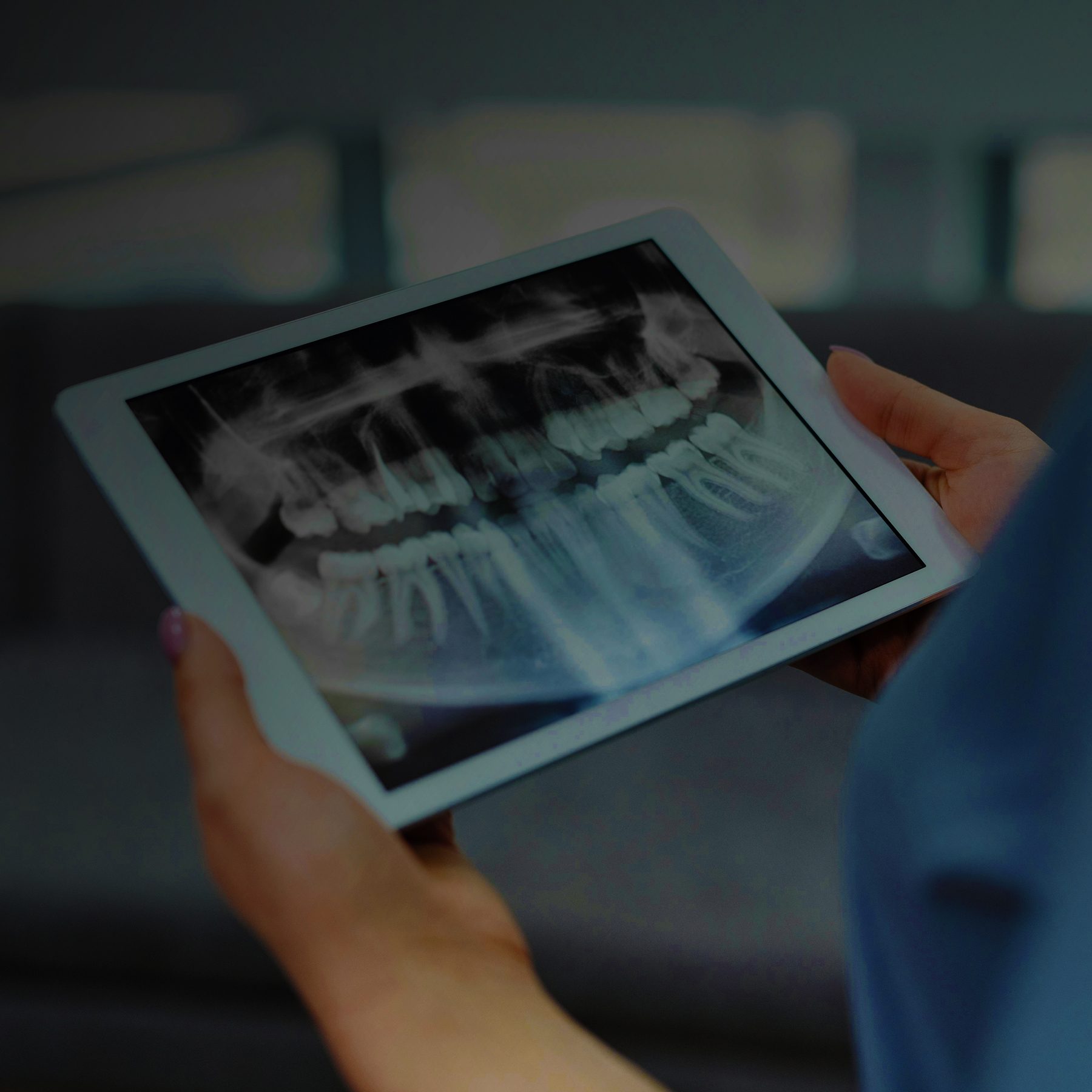


Tooth pain has a way of taking over everything. It interrupts sleep, makes coffee unbearable, turns a normal lunch into a miserable exercise, and can leave even calm people distracted and short-tempered. In practice, dental pain rarely feels minor to the person experiencing it. A small crack, an inflamed nerve, a gum infection, or pressure from a partially erupted wisdom tooth can all produce pain that feels urgent and personal.
The hard part is that treatment is not always available the minute pain starts. You may be waiting for an appointment, trying to get through the night, traveling, or figuring out whether you need same-day care. Those hours matter. Good self-care can reduce suffering, limit irritation, and help you avoid the common mistakes that make dental emergencies worse.
An Emergency Dentist will always want to diagnose the cause rather than just suppress symptoms, because tooth pain is a signal, not a condition by itself. Still, there is a right way to manage that signal before you are seen. The goal is simple: lower pain safely, protect the tooth and surrounding tissue, and recognize when the situation has crossed into true emergency territory.
Not all tooth pain means the same thing
People often describe all dental pain as a toothache, but Emergency Dentist Los Angeles CA the character of the pain tells a useful story. Sharp pain when biting often points toward a cracked tooth, a loose filling, or inflammation around the ligament that anchors the tooth. A dull, throbbing ache can suggest deeper pulp irritation or infection. Lingering sensitivity to cold, especially if it lasts more than a few seconds after the drink is gone, often means the nerve is involved. Gum swelling with tenderness may be periodontal rather than purely tooth-related. Pain near the back of the jaw can come from wisdom teeth, clenching, or even referred pain from the joint or muscles.
That distinction matters because what helps one problem may irritate another. Heat, for example, sometimes feels soothing for muscle tension but can intensify throbbing from an infected tooth. Chewing on the painful side to “test it” may provide a clue, but it can also turn a hairline crack into a bigger fracture. Even brushing habits change when people are in pain. Some scrub the area aggressively because it feels unclean, while others avoid it entirely and allow plaque to build around already inflamed tissue.
A good rule from emergency dental care is Emergency Dentist Los Angeles CA this: be gentle, be observant, and avoid home treatment that tries to outsmart the problem.
The first hour: what helps most
If tooth pain starts suddenly, the first hour is usually about getting control of inflammation and preventing additional aggravation. Start with a gentle rinse using warm water. Not hot water, just comfortably warm. This clears debris and lets you inspect the area without poking at it. If food is trapped between teeth, careful flossing can help, but it should be slow and deliberate. Snapping floss into a swollen gum papilla is a common way people make the area bleed and hurt more.
Cold can be useful, but use it outside the face, not directly on the tooth. A cold pack wrapped in cloth, held against the cheek for short intervals, often reduces swelling and dulls pain. Ice directly on a tooth may trigger more sensitivity, particularly when the nerve is already irritated.
Over-the-counter pain relief is often effective if you can safely take it. Many dentists see better relief from anti-inflammatory medication than from approaches people improvise at home, because a lot of dental pain is driven by inflammation around the nerve or supporting structures. The exact medication and dose should always follow the label and your physician’s advice, especially if you have kidney disease, stomach ulcers, are pregnant, take blood thinners, or have medication allergies. If you already know you cannot take certain pain relievers, this is not the moment to experiment.
Position also matters more than people expect. Lying completely flat tends to increase throbbing for some patients because blood flow and pressure in the area feel more intense. Sleeping slightly elevated can make a rough night more manageable. It is a simple measure, but it helps often enough that dentists recommend it routinely.
Safe ways to reduce pain before your appointment
The best home care is boring, which is usually a good sign. Reliable relief tends to come from basic measures rather than dramatic ones. Before you see an Emergency Dentist, these steps are the safest place to start:
- Rinse gently with warm salt water if the tissues feel sore or swollen. A mild rinse can calm irritated gums and help clear debris.
- Use a cold compress on the outside of the face for 15 to 20 minutes at a time, then take a break.
- Take over-the-counter medication only as directed on the package or by your physician, and only if it is safe for you personally.
- Eat soft foods and chew on the opposite side if chewing increases pain.
- Keep the area clean with a soft toothbrush, even if you need to move more slowly than usual.
These steps are not a substitute for treatment, but they often buy useful time. In many emergency cases, what patients need most before the appointment is a calmer pain pattern and less secondary irritation.
What to avoid, even if someone swears it works
There is no shortage of home remedies for tooth pain, and some are harmless but ineffective. Others create real problems. Aspirin placed on the gum is one of the classic mistakes. It does not numb the tooth, and it can chemically burn the soft tissue. I have seen irritated white patches on the gum from this exact attempt. The person was still in pain, and now they had a sore mouth in two places.
Heat applied directly to a swollen face is another poor choice when infection is possible. It may temporarily feel comforting, but it can increase throbbing and swelling. Alcohol used as a rinse is also a bad idea. It dries tissues, stings inflamed areas, and offers no meaningful treatment. The same goes for essential oils used carelessly. Clove oil is often mentioned, and while it has a long history in dentistry, concentrated products can irritate soft tissue when overused or applied incorrectly. If someone chooses to use it at all, caution matters. More is not better.
Do not place glue, household cement, or non-dental repair material into a broken tooth. Pharmacies sell temporary dental repair kits for a reason. They are designed for short-term use until a dentist can evaluate the tooth. Even then, those materials are a stopgap. A lost filling may look simple from the outside and still hide decay or a fracture underneath.
Another common error is testing the pain repeatedly. People tap the tooth, bite down on it every hour, or sip cold water to “check whether it’s getting better.” If a tooth is inflamed, repeated testing often keeps it inflamed. Once you have enough information to know something is wrong, switch from diagnosing it yourself to protecting it.
When swelling changes the picture
Pain alone is bad enough, but swelling raises the stakes. Not every swollen gum or puffy cheek is dangerous, yet facial swelling deserves more respect than many people give it. In dental infections, swelling can spread through soft tissue spaces, and that is where things stop being routine.
A small, localized bump on the gum can sometimes reflect a draining abscess. Patients may describe a bad taste, pressure that briefly eases after drainage, or a pimple-like spot near the tooth. Even if pain decreases, this still needs prompt care. Drainage does not mean the infection is gone. It often means the pressure has found an outlet, while the source remains.
Diffuse swelling in the cheek, jaw, or under the eye is more concerning. Warmth, redness, increasing tenderness, or a feeling that the face is changing shape over hours rather than days should move the situation up the priority list. An Emergency Dentist Los Angeles CA office may be able to see you promptly, prescribe appropriate treatment when indicated, and determine whether the problem can be managed in the chair or needs hospital-level evaluation.
The dangerous signs are the ones that suggest the problem is affecting more than the tooth. Trouble swallowing, difficulty breathing, fever, spreading facial swelling, or inability to open the mouth normally are not “wait and see” symptoms. Those are signs to seek urgent medical attention.
Red flags that should not wait
If any of the following is happening, call for urgent help right away and do not rely on home care alone:
- Swelling is spreading into the face, jaw, or neck.
- You have fever, chills, or feel generally unwell along with the tooth pain.
- Breathing, swallowing, or opening your mouth is becoming difficult.
- A tooth has been knocked out, significantly displaced, or fractured after trauma.
- Bleeding after an injury or recent dental procedure does not slow with pressure.
This is where judgment matters. Severe pain at 2 a.m. Is miserable, but severe pain with facial swelling and fever is a different category. The second one can become a medical emergency.
Lost fillings, broken teeth, and cracked crowns
Not every dental emergency begins with pain. Sometimes the first clue is a rough edge, a sudden change in the bite, or the feeling that something shifted during a meal. A lost filling can leave exposed dentin that reacts sharply to air, sweets, or cold drinks. A broken cusp may not hurt immediately but can become increasingly sensitive as the day goes on. A loose crown can trap bacteria and food underneath, setting up irritation or decay if it stays off too long.
When a restoration comes loose, save it if you can. Dentists can sometimes reuse a crown, depending on its condition and the health of the underlying tooth. Store it in a clean container and bring it to the appointment. Keep the area clean, avoid sticky foods, and chew on the other side. If the exposed tooth has a sharp edge cutting your tongue or cheek, temporary dental wax from a pharmacy can help protect soft tissue for a few hours or overnight.
Cracks deserve special caution because they are not always visible. I have seen patients describe a “zing” when biting into a crusty piece of bread or a nut, followed by pain that comes and goes. Those teeth can seem fine at rest and then spike when pressure is released. That pattern often points toward a crack, and the worst response is continued chewing on that side to see if it settles down. A cracked tooth can move from fixable to far more complicated with one badly timed bite.
Tooth pain in children needs a slightly different approach
Parents tend to get alarmed fast when a child has dental pain, and for good reason. Kids do not always describe symptoms clearly. They may say the whole mouth hurts, point to the wrong side, or become cranky, clingy, or unwilling to eat rather than naming the pain directly.
The basics still apply: gentle rinsing if the child is old enough not to swallow it, soft foods, a cold compress outside the face, and age-appropriate medication exactly as directed by the label or pediatrician. What changes is the threshold for evaluation. Children can deteriorate quickly if swelling develops, and trauma to baby teeth or permanent teeth needs proper assessment. If a permanent tooth is knocked out, time matters greatly. If a child has swelling, fever, facial asymmetry, or refuses liquids, call a dentist promptly.
Never place numbing gels or household remedies into a child’s mouth without guidance. Products that seem mild to an adult can be used incorrectly in children, and irritated tissue in a small mouth becomes a bigger problem fast.
Why nighttime pain often feels worse
Patients often report that a manageable toothache becomes unbearable after dark. Part of that is practical. There are fewer distractions, less movement, and more awareness of every pulse of pain. Part of it is physical. Lying down can increase the sensation of pressure, and clenching during stress or sleep may intensify already inflamed teeth.
Nighttime care is about control and restraint. Take medication on a sensible schedule if you are using it and it is safe for you. Avoid the cycle of waking up, sipping ice water for brief relief, then triggering another wave of pain. Choose soft, room-temperature foods if you need to eat. Sleep with your head elevated. If pain is escalating despite these measures, do not wait several sleepless nights hoping it will turn on its own. Dental pain that wakes you up repeatedly usually deserves quick evaluation.
If the pain comes and goes, do not assume the problem has passed
One of the most misleading patterns in dentistry is intermittent pain. A tooth can hurt intensely for a day, settle down, and then flare again a week later. Patients often take that lull as evidence that the tooth is healing. Teeth do not really work that way. Symptoms may decrease because inflammation has shifted, pressure has changed, or the nerve is deteriorating, not because the underlying issue has resolved.
That is especially true after a spontaneous decrease in pain following severe throbbing. People are understandably relieved, but a dying nerve can go quiet before an abscess becomes obvious. The absence of pain is not always good news in dentistry. If the tooth recently hurt badly and now feels “fine” except for tenderness when chewing, keep the appointment anyway.
How an emergency dental visit is different from routine care
Emergency visits are focused, practical, and often narrower in scope than a full checkup. The immediate aim is to diagnose the source of pain, stabilize the problem, and get you out of crisis. That may involve an exam, X-rays, testing the response of the tooth to temperature or pressure, draining an abscess when appropriate, adjusting a bite, re-cementing a crown, prescribing medication when indicated, or starting treatment such as a root canal or extraction.
Sometimes definitive treatment can happen the same day. Sometimes the first visit is more about pain control and planning, especially when swelling is significant, the area is hard to numb, or the tooth requires specialist care. Good emergency dentists explain that distinction clearly. Patients are less frustrated when they understand why a tooth may need temporary stabilization first and complete treatment shortly after.
If you are searching for an Emergency Dentist Los Angeles CA practice, be prepared to describe the pain accurately when you call. Staff can triage better if they know whether there is swelling, trauma, fever, a lost filling, a broken tooth, or a knocked-out tooth. Saying “I have a toothache” is a start. Saying “My lower right molar started throbbing yesterday, my cheek is swelling, and it hurts to bite” gives the office much more to work with.
A few practical details people are glad they knew
Bring a list of medications, allergies, and major health conditions. This matters more in urgent care than people expect, because the wrong pain reliever or antibiotic can create new problems. If the issue began after dental work, know roughly when that treatment happened. If you have the broken fragment of a tooth or a dislodged crown, bring it. If you were hit in the mouth, even if the tooth looks intact, mention the trauma. Teeth can be injured internally without dramatic visible damage.
Try to avoid eating right before the appointment if there is a good chance a procedure will be needed, especially if opening wide is painful. A light meal may still be sensible if you have not eaten for hours and are taking medication, but choose something soft. And if you are very anxious, say so. Emergency dental teams hear that every day. Anxiety changes how people process pain, instructions, and time. The more the team knows, the better they can pace the visit.
The real goal is not just relief, but a better outcome
Anyone with dental pain wants it to stop, and that is reasonable. Still, the smartest short-term decisions are the ones that protect long-term options. Gentle cleaning preserves the gums. Avoiding hard chewing may keep a cracked tooth restorable. Seeking help early for swelling may prevent a bigger infection. Calling an Emergency Dentist before the weekend rather than after it can be the difference between a manageable procedure and a much more complicated one.
Tooth pain is one of the clearest signals the body gives. Respect it, do not panic, and do not ignore it. Manage symptoms carefully, avoid the home remedies that create collateral damage, and get professional assessment as soon as you can. The wait between onset and treatment may feel long, but with the right steps, it does not have to become worse than it already is.
Simple Dental Vermont
Address: 8914 S Vermont Ave, Los Angeles, CA 90044
Phone number: +13239493000
FAQ About Emergency Dentist Los Angeles CA
What can the ER do for a tooth?
The emergency room can provide temporary symptom relief for a bad tooth, such as prescribing pain medicine or antibiotics, but it cannot fix the actual dental problem.
What is the 3-3-3 rule for tooth infection?
The 3-3-3 rule for a toothache or infection typically means taking three 200 mg ibuprofen tablets (600 mg total) three times a day for no more than three days to control pain and swelling while waiting to see a dentist.
What do you do if you have a dental emergency but no dentist?
If you have a dental emergency and no regular dentist, you should search for an urgent care dental clinic, call local walk-in dental offices, or go to a hospital emergency room if you have severe bleeding, swelling, or trouble breathing.