Dental Crowns Los Angeles CA for Front Teeth Restoration


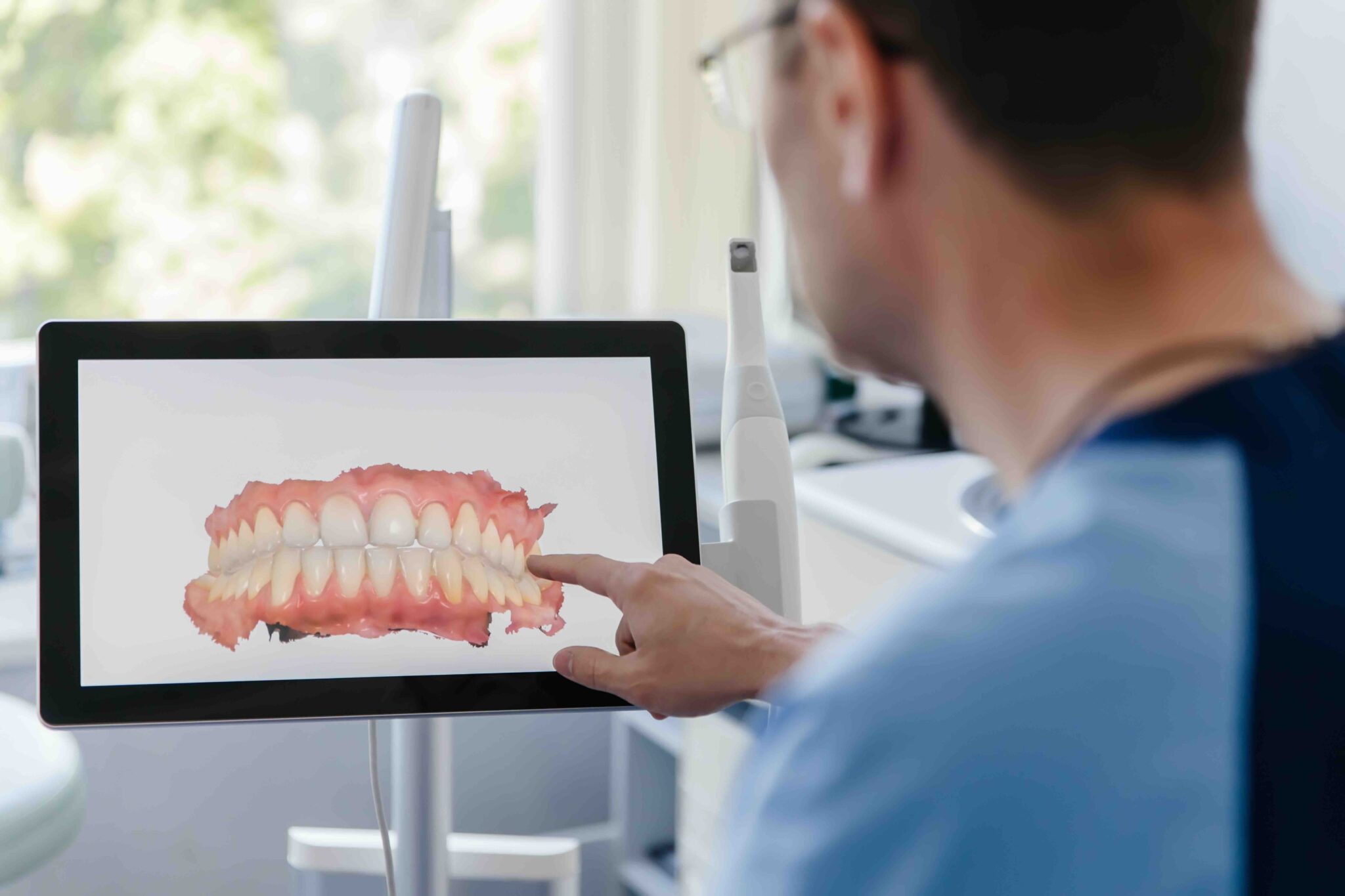
Front teeth carry a heavier burden than most people realize. They shape a smile, support speech, and absorb attention the moment someone walks into a room. When one of those teeth chips, darkens, cracks, or weakens after treatment, the cosmetic impact is immediate, but so is the emotional one. I have seen patients cover their mouths when they laugh, angle their faces away in photos, and postpone work meetings because a damaged front tooth suddenly made them feel exposed.
That is why front tooth restoration demands a different level of care than restoring a molar in the back of the mouth. A crown on a front tooth has to do more than survive biting forces. It has to look believable in daylight, under restaurant lighting, and on a phone camera. It has to match surrounding teeth in shape, translucency, texture, and color. It also has to respect the gumline, because even a technically sound crown can look wrong if the edge sits awkwardly against the tissue.
For patients searching for Dental Crowns Los Angeles CA, those details matter. Los Angeles is a place where appearance and function often meet head-on. People want restorations that feel strong enough for daily life and natural enough that nobody notices dentistry at all. Front tooth crowns sit right at that intersection.
Why front teeth often need crowns
A front tooth may need a crown for several reasons, and not all of them are dramatic. Sometimes it is obvious, such as a fracture after a fall, a sports injury, or a car accident. Other times the problem builds quietly over years. A tooth may have a large filling that begins to fail, internal discoloration after trauma, worn enamel from grinding, or structural loss after root canal therapy.
One of the more frustrating situations involves a patient who had a perfectly manageable chip repaired with bonding several times, only to watch that repair stain or break again. Composite bonding can be excellent for small to moderate defects, especially when tooth structure is mostly intact. But there comes a point where the restoration is doing too much of the work. When enough enamel is compromised, a crown may offer a more predictable result.
Front teeth also present a challenge after root canal treatment. A non-vital tooth often changes color over time, sometimes slowly enough that the patient only notices it in photos. Internally bleaching that tooth can help in select cases. In other cases, especially where there is major structural damage, a crown becomes the better answer because it addresses both strength and appearance.
Crowns are not all the same, especially in the smile zone
People often hear the word crown and picture a generic cap. In practice, a crown for a front tooth is one of the most nuanced restorations in dentistry. Material selection, margin placement, tooth reduction, and lab communication all matter more here than they do in less visible areas.
For front teeth, all-ceramic options are usually the main conversation. Porcelain-based systems and high-strength ceramics can produce excellent esthetics, but not every material behaves the same way. Some offer superior translucency, which is useful when neighboring teeth have a lively, natural glow. Others provide more opacity, which can help mask a dark underlying tooth stump. A crown that would look fantastic on one patient can look flat or too bright on another.
This is where judgment matters. If the underlying tooth is heavily discolored, a very translucent ceramic may let that darkness show through. If the adjacent teeth are bright and naturally opaque, using a ceramic with too much glass-like translucency can make the crown stand out. Matching a single front tooth is one of the hardest jobs in restorative dentistry for exactly this reason. It is not just about shade. It is about light behavior.
Patients looking into Dental Crowns Los Angeles CA for front teeth should expect the discussion to go beyond “white” and “strong.” The right crown is a blend of biology, engineering, and visual artistry.
What makes a front tooth crown look natural
Natural teeth are not one solid color. They have subtle gradients, soft surface ridges, slight translucency near the edge, and tiny asymmetries that make them believable. A front crown that is too smooth, too bright, or too uniform can read as artificial even if the shade is technically close.
A natural-looking result usually depends on several details working together. The length must suit the smile and the opposite tooth. The width must respect the proportions of the neighboring front teeth. The edge must not look bulky. The surface texture should reflect light similarly to adjacent enamel. Even the contour where the crown meets the gumline matters, because overbuilt crowns can make the tissue look puffy or irritated.
Patients are often surprised to learn how much the temporary crown influences the final result. A well-made temporary gives both the dentist and the patient a chance to evaluate shape, speech, and overall appearance before the final crown is delivered. If the patient says, “It looks a little too square,” or “My S sounds feel off,” that information becomes extremely useful. Temporary restorations are not just placeholders. In the front of the mouth, they are diagnostic tools.
I have also seen how important photographs can be, especially when matching one front tooth. Close-up images in natural light help capture details that are easy to miss in a dental chair. Some practices work closely with ceramists who appreciate that level of communication. When a case is esthetically demanding, that collaboration can make a noticeable difference.
When a crown is the right choice, and when it is not
Not every front tooth needs a crown, even when the cosmetic concern is significant. Veneers, bonding, whitening, or orthodontic movement may be more conservative depending on the condition of the tooth. The key is to match the treatment to the problem, not to force every problem into the same treatment category.
A crown is often appropriate when the tooth is structurally compromised, has extensive decay, contains a large failing restoration, or has been weakened by endodontic treatment. It can also be reasonable when trauma has left the tooth both damaged and discolored. In these cases, the crown is not just cosmetic. It is protective.
That said, there are trade-offs. Preparing a tooth for a crown usually requires more reduction than bonding Dental Crowns Los Angeles CA and, in many cases, more than a veneer. That means removing additional tooth structure. If a tooth is mostly intact and the concern is a small chip or minor discoloration, a crown may be more aggressive than necessary.
Good restorative planning involves restraint. The best treatment is not always the biggest treatment. Patients tend to appreciate that honesty, especially when they are comparing options in a market as broad as Los Angeles.
The process, from consultation to final cementation
The first appointment usually starts with a full evaluation, not just a quick look at the broken tooth. That includes the bite, gum health, X-rays when indicated, and an assessment of how the tooth fits into the whole smile. A front crown cannot be planned in isolation. If the surrounding teeth are crowded, worn, or mismatched, Dental Crowns Los Angeles CA those factors influence the result.
If a crown is appropriate, the tooth is prepared and a temporary crown is placed. This phase matters more than many patients expect. The temporary protects the tooth, preserves position, and gives an early preview of contour and length. Front teeth are involved in speech, so patients often notice subtle changes right away. Words with F, V, and S sounds are especially revealing.
The final crown appointment should never feel rushed. Shade verification, fit, contacts, bite, and esthetic balance all deserve careful review. A crown can fit beautifully on a model and still need adjustment once it is in the mouth. Lips, facial movement, and gum display change the way a restoration reads in real life.
Some practices offer same-day crowns using in-office milling systems. That can be convenient in the right case, but front teeth require caution. Same-day technology has improved considerably, yet the cosmetic demands of a single central incisor are still among the most exacting in dentistry. In certain situations, especially where there is a difficult shade match, a laboratory-fabricated crown may offer a stronger esthetic advantage.
The Los Angeles factor
Los Angeles patients often come in with a sharper eye for smile details than patients in other regions. That is not a stereotype, it is simply the reality of a city where media, appearance, and visual confidence carry social and professional weight. Actors, attorneys, sales professionals, real estate agents, hospitality staff, and anyone who spends time on camera tend to notice small imperfections quickly.
That does not mean every patient wants a bright “Hollywood” result. Quite the opposite. Many want the crown to disappear. They want to look rested, healthy, and polished, not obviously restored. The challenge is creating a result that fits the face and personality rather than following a one-size-fits-all esthetic.
This is one reason consultations for Dental Crowns Los Angeles CA should include a candid conversation about expectations. Does the patient want the restored tooth to match existing natural teeth exactly, including their small imperfections? Or are they hoping the new crown becomes the first step toward a broader cosmetic upgrade later? Those are different goals, and they affect planning.
A patient in their late twenties who fractured a front tooth surfing may want a seamless single-tooth match with zero obvious enhancement. A patient in their fifties with generalized wear and old restorations may prefer a crown that blends now but also supports a phased smile refresh over the next few years. Both goals are reasonable. They just require different thinking.
Color matching is harder than most people think
Single front tooth shade matching is one of the most technically difficult tasks in dentistry. If two adjacent front teeth are being crowned together, there is more freedom to control symmetry and color. With one crown, the neighboring natural tooth becomes the judge.
Teeth are rarely one flat shade from gum to edge. The cervical area can appear warmer or slightly darker. The middle third often carries the dominant body color. The incisal edge may be more translucent, sometimes with a bluish or gray cast in certain lighting. Age changes all of this. So do habits like coffee drinking, smoking, and whitening.
A crown that matches under operatory light but looks too opaque in sunlight will not satisfy a patient for long. This is where an experienced dentist and skilled laboratory technician earn their keep. Sometimes the answer involves custom staining and layering. Sometimes it involves adjusting the stump shade beneath the crown. Sometimes it means telling a patient honestly that a perfect match may require whitening adjacent teeth first, or restoring more than one tooth to achieve harmony.
That last point can be difficult to hear, but it is better than overselling certainty. Front tooth esthetics live in the realm of high expectations and tiny differences. Honest communication matters.
Gum health can make or break the final look
A beautifully made crown will still disappoint if the surrounding gum tissue is inflamed or uneven. The gumline frames the tooth. If one side is puffy, receded, or asymmetrical, the crown can seem too long, too short, or simply off.
This is one reason dentists often delay final impressions when gums are irritated. It is tempting to move quickly, especially when the front tooth is involved, but healthy tissue gives more predictable results. If a patient has active gingivitis, heavy plaque accumulation, or trauma from an old overcontoured restoration, stabilizing the gum first is time well spent.
There are also cases where gum contour itself needs attention. A patient may have a crown on one front tooth and a naturally higher gumline on the other, creating asymmetry that becomes more noticeable after restoration. In select situations, minor periodontal reshaping can improve balance. That decision should be conservative and carefully planned, but it can have a major visual impact.
How long front tooth crowns last
No ethical dentist can promise a fixed lifespan for a crown, because longevity depends on too many variables. Material, bite force, hygiene, gum health, diet, grinding habits, and the amount of remaining tooth structure all matter. That said, many well-made crowns can function for a decade or longer, and some last much longer with favorable conditions.
Front crowns often experience less crushing force than molars, but they are not stress-free. Patients who clench, grind, bite pens, chew ice, or use their teeth as tools place those restorations at risk. The crown itself may be durable, but the tooth underneath or the cement seal can still fail over time if the environment is harsh.
The most preventable problems I see involve neglect around the margins. A crown cannot decay, but the tooth structure at its edge certainly can. Plaque accumulation at the gumline is the enemy. When decay develops around a front crown margin, the fix is usually not simple polishing. It often means replacing the crown, and sometimes dealing with deeper structural damage than expected.
Aftercare that actually matters
Most patients do not need a complicated maintenance routine, but they do need consistency. Good brushing technique, daily cleaning between teeth, regular exams, and prompt attention to changes go a long way. If a patient grinds at night, a properly fitted night guard can add years to the life of a front crown.
The habits that matter most are simple:
- Brush thoroughly at the gumline without scrubbing aggressively.
- Clean between the front teeth every day with floss or another recommended aid.
- Avoid biting hard objects, including ice, fingernails, and packaging.
- Wear a night guard if clenching or grinding is part of the picture.
- Report looseness, chipping, sensitivity, or gum changes early.
That kind of maintenance is not glamorous, but it is what protects the investment.
Cost conversations need context
Patients understandably ask what a front tooth crown costs, especially in Los Angeles where fees vary widely. Exact numbers differ based on the practice, the material, whether a buildup or root canal is needed, and whether the case involves cosmetic customization beyond a straightforward restoration.
The cheaper option is not always the better value, and the highest fee does not automatically guarantee superior work. What matters is the reasoning behind the treatment plan, the quality of the materials and lab support, and the level of attention given to fit and esthetics. A front tooth crown that has to be remade because it is too opaque, poorly shaped, or biologically irritating can cost far more in time and frustration than choosing carefully at the start.
Patients should also understand that some cases reveal additional needs once an old restoration is removed. Decay, cracks, or inadequate tooth structure may require a core buildup, post, or periodontal management. A realistic consultation should leave room for that possibility without turning it into fear-based selling.
Choosing a provider for front tooth restoration
The front of the mouth is not where most people want a rushed or purely transactional experience. When evaluating a dentist for Dental Crowns Los Angeles CA, it helps to look for evidence of thoughtful esthetic work, not just a long list of services.
A useful consultation tends to include close examination, discussion of alternatives, photographs or examples when appropriate, and a clear explanation of trade-offs. If the provider talks only about speed or gives the impression that every front tooth issue gets the same crown, that is worth noting. Front teeth rarely reward cookie-cutter treatment.
Patients can ask practical questions without feeling difficult. Has the dentist handled many single front tooth matches? Will a provisional be used to refine shape? If the shade is complex, how is that communicated to the lab? Are there circumstances where a veneer or bonding would be more conservative? The answers often reveal whether the treatment plan is being built around the tooth or around the schedule.
Restoring confidence, not just structure
A front crown done well can be quietly transformative. Patients often describe a sense of relief more than excitement. They stop editing their smile. They speak without thinking about where to place their lips. They return to normal social behavior, which is usually the real goal.
That result depends on more than cementing a ceramic restoration into place. It requires diagnosis, material judgment, esthetic sensitivity, and respect for the fact that front teeth occupy a very personal space in a patient’s life. There is no universal formula, and that is exactly why the best outcomes feel so natural.
For anyone considering Dental Crowns Los Angeles CA for a front tooth, the right path is usually the one that balances durability, appearance, and conservation. A crown should strengthen the tooth, protect the surrounding tissue, and blend into the smile without announcing itself. When those pieces come together, the restoration does what the best dental work always does. It disappears, and the person comes back into view.
Simple Dental Vermont
Address: 8914 S Vermont Ave, Los Angeles, CA 90044
Phone number: +13239493000
FAQ About Dental Crowns Los Angeles CA
How much do crowns cost per tooth?
In the United States, a single dental crown typically costs between $800 and $2,500 per tooth without insurance. The ultimate out-of-pocket price depends heavily on the crown material, the location of the tooth, and whether you have dental insurance coverage.
What is the downside of crowns on teeth?
The primary downside of a dental crown is that the procedure permanently removes natural tooth enamel to shape the tooth for the cap.
Why do dentists push for crowns?
Dentists recommend crowns because a large filling cannot provide enough strength when a tooth loses a major portion of its structure or faces heavy chewing pressure.