Dental Crowns in Los Angeles CA: Common Questions Answered

If you have been told you may need a crown, chances are your first reaction was not excitement. It was probably a mix of practical questions and mild skepticism. Do I really need one? How long will it last? Will it look natural? What is this going to cost me in Los Angeles?
Those are fair questions. Dental crowns are one of the most common restorative treatments in dentistry, but they are often explained too quickly. Patients hear the term, nod politely, and then go home unsure whether a crown is protecting a tooth, replacing a tooth, or simply driving up the bill. In a city like Los Angeles, where people care about both long-term health and appearance, those details matter even more.
A crown is not a one-size-fits-all treatment. The right material, timing, and technique depend on where the tooth sits, how much natural structure remains, whether you grind your teeth, and what you expect from the result. A back molar that absorbs years of chewing force is a different case from a front tooth that needs to blend seamlessly into a smile.
This guide answers the questions patients ask most often about Dental Crowns Los Angeles CA, with the kind of practical detail that helps people make decisions calmly and confidently.
What a dental crown actually is
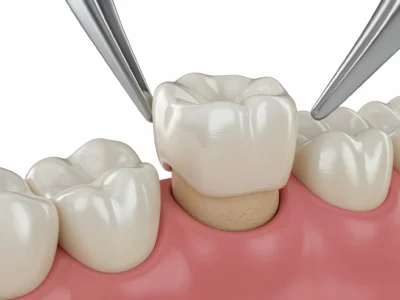
A dental crown is a custom-made covering that fits over a damaged, weakened, or heavily restored tooth. It is sometimes described as a cap, which is not wrong, but that word can make it sound simpler than it is. A well-made crown is designed to restore the tooth’s shape, strength, function, and appearance. It becomes the new outer surface of the tooth above the gumline.
Dentists recommend crowns when a filling is no longer enough. That usually happens when a tooth has cracked, when a cavity is too large to support a standard filling, after root canal treatment, or when an old restoration has failed. Crowns are also used on dental implants and, in some cases, to improve the appearance of misshapen or severely discolored teeth.
The key point is this: a crown does not strengthen a tooth by magic. It works because the dentist carefully reshapes the tooth, takes precise measurements, and places a restoration that redistributes biting forces more safely. When the diagnosis and fit are right, a crown can buy a tooth many more years of service.
How do you know if you really need one?
Patients often ask whether a crown is truly necessary or whether a filling would do the job. The honest answer is that it depends on how much healthy tooth is left.
A small to moderate cavity can often be repaired with a filling. Once a tooth has lost a substantial amount of structure, especially around the cusps of a molar, a filling starts to act more like a patch on a stressed foundation. It may hold for a while, but the remaining enamel and dentin can fracture under normal chewing. That is when a crown becomes less of an upsell and more of a preventive move.
One of the clearest examples is a back tooth after root canal treatment. Root canal therapy removes infection, but it also leaves the tooth more brittle over time. A molar that has already been drilled extensively and then hollowed to remove infected tissue is at much higher risk of splitting if it is not reinforced properly. That is why dentists so often recommend a crown after a root canal on a posterior tooth.
Cracks are another major reason. A tooth can crack in ways that do not show clearly in a mirror or even on an X-ray. Patients may report pain when biting, sensitivity to cold, or that odd feeling that the tooth “catches” during chewing. When the crack is confined to the crown portion of the tooth and has not extended too far below the gumline, a crown can help hold the tooth together and reduce flexing.
Are all crowns the same?
Not at all. The material matters, and so does the location of the tooth.
Porcelain or ceramic crowns are popular because they can look very natural, especially on front teeth. Modern all-ceramic options have improved dramatically over the last decade. They can be strong enough for many back teeth while still offering good esthetics. For someone in Los Angeles who is concerned about how a smile photographs in bright sunlight or on camera, material selection is not a minor detail.
Zirconia crowns are known for strength and durability. They are often used on molars or for patients with heavy bite forces. Some zirconia restorations are highly esthetic as well, though the final result depends on the type of zirconia used and how it is finished.
Porcelain fused to metal crowns have been around for years and can still perform well, but they are less often the first choice when top-tier esthetics is the priority. Over time, some patients notice a dark line near the gum if the gum recedes slightly.
Gold or other metal alloy crowns remain excellent from a functional standpoint. They are durable, kind to opposing teeth, and long-lasting. They are usually reserved for less visible areas because most people do not want a metallic appearance when they smile.
The best material is not always the prettiest one, and the strongest material is not always the best-looking one. Good dentistry often means balancing competing priorities rather than chasing one ideal.
How long do dental crowns last?
This is one of the most common questions, and the answer always needs context. A well-made crown can last anywhere from about 10 to 15 years, and many last longer. It is not unusual to see crowns that have served patients for 20 years or more. It is also not unusual to see a crown fail earlier because of decay at the margin, poor oral hygiene, clenching, grinding, or a crack in the underlying tooth.
The crown itself may remain intact while the tooth underneath develops a problem. That distinction matters. People sometimes assume that once a tooth is crowned, it is protected from everything. It is not. The margin where the crown meets the natural tooth still needs meticulous cleaning. If plaque accumulates there, decay can begin at the edge and progress quietly.
In Los Angeles practices, one pattern shows up often among busy professionals: they are good about whitening, cosmetic cleanings, and occasional touch-ups, but they put off replacing a crown that has become loose or rough because it is “not hurting yet.” That delay can turn a manageable problem into one that requires root canal treatment or even extraction.
The longevity of a crown depends heavily on three things: how well it was designed and cemented, how much stress the tooth takes, and how consistently the patient protects it.
Does getting a crown hurt?
For most patients, the process is much easier than they expect. The tooth and surrounding tissue are numbed thoroughly before preparation begins. During the procedure, you may feel pressure or vibration, but not sharp pain. If a tooth is already inflamed or cracked, it may be more sensitive beforehand, though proper anesthesia usually keeps treatment comfortable.
After the appointment, some soreness around the gums or jaw is common for a day or two, especially if the mouth was open for a while or if the tooth needed extensive reshaping. Sensitivity to temperature can occur temporarily with a provisional crown. That usually settles once the final crown is placed, assuming the bite is adjusted properly.
Where patients run into trouble is often not pain during the procedure, but discomfort from a bite that feels slightly high afterward. Even a tiny discrepancy can make a newly crowned tooth feel tender or awkward when chewing. The good news is that a small adjustment can often solve that quickly. If a crown feels off, it is worth calling the office rather than hoping your mouth will “get used to it.”
What happens during the crown process?
The Dental Crowns Los Angeles CA traditional process usually takes two visits. At the first visit, the dentist examines the tooth, removes decay or old restorative material, and shapes the tooth so the crown can fit securely. An impression or digital scan is then taken and sent to a laboratory that fabricates the final crown. A temporary crown is placed in the meantime.
At the second visit, the temporary is removed and the final crown is checked for fit, bite, contour, and shade. If everything looks and feels right, it is cemented or bonded into place.
Some practices in Los Angeles offer same-day crowns using in-office scanning and milling systems. These can be convenient, especially for patients with packed schedules, but convenience is only part of the equation. Same-day crowns can be excellent in the right hands and for the right cases, though certain complex esthetic situations still benefit from a high-quality dental laboratory and a skilled ceramist.
A patient replacing a visible front tooth restoration, for example, may value custom layering and shade characterization more than speed. On the other hand, a straightforward molar crown for a busy working parent may be ideal for same-day treatment if the office has strong technology and experience.
Why do crowns in Los Angeles vary so much in price?
This is where people often feel frustrated, and understandably so. Fees for Dental Crowns Los Angeles CA can vary widely from one office to another. Part of that difference comes from overhead and location, but not all of it is about rent and branding.
A crown fee reflects several components: the dentist’s time and judgment, the quality of the materials, the type of laboratory used, the complexity of the case, and the supporting technology involved. A carefully planned crown with a good lab, high-quality ceramics, proper bite evaluation, and precise margins simply costs more to produce than a basic version cut to the minimum standard.
Insurance may cover part of the fee if the crown is deemed medically necessary, but many plans pay only a portion and often cap annual benefits at a level that has not kept pace with actual treatment costs. It is common for patients to assume insurance should make the crown inexpensive, then discover that the plan covers only a fraction.
Before moving forward, ask the office for a clear written estimate. A useful conversation includes not just the price, but what that fee includes, what material is being used, whether a buildup or core is separate, and how the office handles adjustments if something feels off after placement.
Can a crown look natural?
Yes, often extremely natural, but the result depends on planning. Shade is only one part of the equation. A natural-looking crown also needs the right translucency, contour, texture, and relationship to the gumline.
Front teeth are the most demanding. Natural enamel reflects and transmits light in a very specific way. If a crown is too opaque, too flat in color, or too bulky, it can stand out even if the shade tab technically matched. This is why photos, custom shading, and communication with the laboratory matter so much for visible teeth.
Back teeth are more forgiving cosmetically, but they still need careful shaping. A crown that is too wide, too tall, or too smooth can trap food, irritate the gums, or alter the bite.
One practical point patients appreciate hearing: bring up cosmetic expectations before treatment begins. Many disappointments happen not because the dentistry failed, but because the patient expected “invisible” and the provider aimed for “healthy and acceptable.” Those are not always the same target.
Will a crown protect the tooth forever?
No restoration lasts forever, and no crown makes a tooth indestructible. It does, however, improve the odds significantly when used for the right reason.
Think of a crown as a structural reinforcement. It protects against fracture and restores function, but it cannot reverse years of wear, eliminate gum disease, or stop nighttime grinding on its own. A crowned tooth can still chip, loosen, decay at the margins, or develop gum recession around it.
Patients who grind or clench often need a night guard after crown placement. That advice can sound routine, but it is one of the clearest examples of preventive care paying off. A custom night guard costs far less than replacing multiple damaged restorations.
What can go wrong with a crown?
Most crowns do well, but there are predictable problems that come up in practice. Knowing them helps patients respond early.
- The bite may feel high, causing tenderness when chewing.
- The crown may feel bulky or trap floss if the contour or contact is off.
- The tooth can remain sensitive, especially if the nerve was already irritated.
- The margin can leak or collect plaque, leading to recurrent decay.
- The crown or the underlying tooth can fracture under heavy force.
None of those issues should be ignored. A small adjustment or early repair is often straightforward. Waiting until pain becomes severe usually means the problem has progressed.
Is it better to save the tooth with a crown or remove it?
Whenever a tooth can be predictably saved, preserving it is usually preferable. Natural teeth help maintain chewing efficiency, jaw balance, and bone support. Extracting a tooth may solve one immediate issue, but it often creates the next set of decisions, which can include an implant, bridge, orthodontic movement, or living with a gap.
That said, not every tooth is savable. If a crack extends deep below the gumline, if decay has destroyed too much structure, or if the surrounding bone support is poor, a crown may not be a sound investment. Good dentists do not place crowns simply because they can. They place them when the remaining tooth has a reasonable long-term prognosis.
This is where judgment matters. A patient may hear “you need a crown” in one office and “this tooth may be Dental Crowns Los Angeles CA better extracted” in another. That does not always mean one provider is wrong. They may be weighing risk differently based on what they see clinically, what the X-rays show, and how much predictability they believe remains.
How should you care for a crown?
Care is straightforward, but consistency matters more than most people realize. Brush thoroughly, clean between the teeth every day, and keep regular hygiene visits. Pay special attention to the gumline around the crown. That is where plaque tends to collect and where trouble often starts.
If you grind, wear the night guard you were given. If you chew ice, bite pens, open packages with your teeth, or crunch hard foods on one side out of habit, stop. Those habits break natural teeth and crowns alike.
Here are a few habits that help crowns last longer:
- Keep routine cleanings and exams, even if the crown feels fine.
- Floss gently but thoroughly around the margin every day.
- Use a night guard if you clench or grind while sleeping.
- Avoid using teeth as tools for tearing or opening things.
- Report looseness, sensitivity, or a changed bite promptly.
A crown usually does not fail all at once. It gives signs. Patients who act when those signs are subtle tend to avoid the bigger, more expensive problems.
Are temporary crowns a big deal?
They are more important than many patients assume. A temporary crown protects the prepared tooth, maintains spacing, and gives you a preview of shape and bite. It is not meant to last long, and it is usually made of less durable material, but it serves a valuable role.
If a temporary comes off, call the office. Do not leave the prepared tooth exposed if you can avoid it. Teeth can shift surprisingly fast, especially if the temporary is lost for several days. A small delay can make seating the final crown more difficult.
Patients sometimes chew normally on a temporary and are surprised when it breaks. That does not necessarily mean the final crown will too. Temporary restorations are provisional by design. They need a little caution.
What questions should you ask before agreeing to treatment?
A short, direct conversation can reveal a lot about whether the plan makes sense for you. Ask what problem the crown is solving, whether there are alternatives, what material is being recommended and why, how long the tooth is expected to last, and what costs are separate from the crown fee.
You do not need to interrogate the office. You do need enough information to understand the treatment. A good dentist should be able to explain why the crown is necessary in clear language, show you the area of concern on an X-ray or photo when possible, and discuss the trade-offs honestly.
If the case is borderline, especially for an expensive front tooth restoration or a heavily cracked molar, a second opinion can be reasonable. That is not distrust. It is due diligence.
Crowns on front teeth versus back teeth
Patients often group all crowns together, but front and back teeth ask for different things. Front teeth demand esthetics first, though they still need strength. Back teeth demand strength first, though appearance still matters. The margin for error is narrow in both cases, just in different ways.
A front crown that is structurally sound but looks chalky, bulky, or too short will bother the patient every time they smile. A back crown that looks beautiful but lacks proper occlusion or material strength will not hold up under function. That is why the planning process should be tailored to the tooth rather than copied from case to case.
In Los Angeles, where many patients are highly attuned to visual detail, communication around front tooth crowns deserves extra attention. Photographs, shade matching in natural light, and discussion of neighboring teeth can make the difference between a result that is merely acceptable and one that truly blends in.
When should you replace an old crown?
A crown does not need replacement simply because it has reached a certain birthday. It needs replacement when there is a reason. Common reasons include recurrent decay, a visible open margin, fracture, chronic gum irritation around the crown, poor fit, or a cosmetic mismatch that matters to the patient.
Sometimes the signs are subtle. Floss starts shredding at one edge. Food packs between the teeth. A tooth that was quiet for years becomes sensitive to cold. The crown may still look intact in the mirror, yet the seal has broken down or the tooth underneath has changed.
Regular exams matter here because crowns often fail gradually. Catching a problem early can mean replacing the crown before the underlying tooth becomes unsalvageable.
The practical takeaway for Los Angeles patients
Dental crowns are neither mysterious nor trivial. They are one of the most useful tools in restorative dentistry when recommended for the right reasons and done carefully. The treatment can protect a weakened tooth, restore comfortable chewing, and preserve a natural smile for many years. It can also disappoint when rushed, poorly planned, or treated like a commodity.
If you are comparing options for Dental Crowns Los Angeles CA, focus on more than price alone. Ask why the crown is needed, what material is being proposed, how esthetic demands will be handled, and what kind of long-term maintenance the tooth will require. The goal is not simply to place a crown. The goal is to keep the tooth healthy, functional, and comfortable for as long as possible.
That is usually the best measure of whether the treatment was worth it.
Simple Dental Vermont
Address: 8914 S Vermont Ave, Los Angeles, CA 90044
Phone number: +13239493000
FAQ About Dental Crowns Los Angeles CA
How much do crowns cost per tooth?
In the United States, a single dental crown typically costs between $800 and $2,500 per tooth without insurance. The ultimate out-of-pocket price depends heavily on the crown material, the location of the tooth, and whether you have dental insurance coverage.
What is the downside of crowns on teeth?
The primary downside of a dental crown is that the procedure permanently removes natural tooth enamel to shape the tooth for the cap.
Why do dentists push for crowns?
Dentists recommend crowns because a large filling cannot provide enough strength when a tooth loses a major portion of its structure or faces heavy chewing pressure.